In this blog, we have extensively explored the world of marketing and the foundational scientific principles behind this profession and the art of selling. The Deep Marketing CEO's book, "The Scientific Guide for Entrepreneurs," is available for purchase, covering all the most important questions in the field and providing answers grounded in rock-solid evidence.
However, we want more: to delve deeper into the human brain, neuromarketing, and psychology in all its dimensions to better understand who we are, who our clients are, and how their mental processes work. Always grounded in science, never in conventional wisdom.
That is why we have selected the 5 most important neuromarketing and popular neuroscience books for you -- for marketing, communications, and psychology enthusiasts. These books make incredibly thoughtful, high-quality gifts for special people.
Happy reading!
1/ Predictably Irrational, Dan Ariely

In "Predictably Irrational," Dan Ariely, a behavioral economics expert, challenges the traditional assumption that people make economic decisions rationally. Through a series of intriguing and often entertaining experiments, Ariely demonstrates how our decisions are often irrational, but in predictable and systematic ways. The book explores a variety of topics, including relative value, expectations, the effect of emotions on economic decisions, and the concept of "free."
For marketing and neuromarketing enthusiasts, "Predictably Irrational" is an invaluable resource. The book provides insights on:
- Consumer Behavior: Understanding why and how consumers make seemingly irrational decisions can help marketing professionals develop more effective strategies.
- Pricing and Value Perception: Ariely explores how the perception of value can be influenced by various factors -- a crucial aspect for product positioning and pricing strategy in marketing.
- Social Influence and Expectations: The book examines how expectations and social influence drive purchasing behavior, offering insights for more persuasive marketing campaigns.
- Decisions and Emotions: Understanding the role of emotions in economic decisions is essential for creating advertising and marketing messages that resonate with audiences.
2/ Tales from Both Sides of the Brain, Michael Gazzaniga
https://www.amazon.com/Tales-Both-Sides-Brain-Neuroscience/dp/0062228803
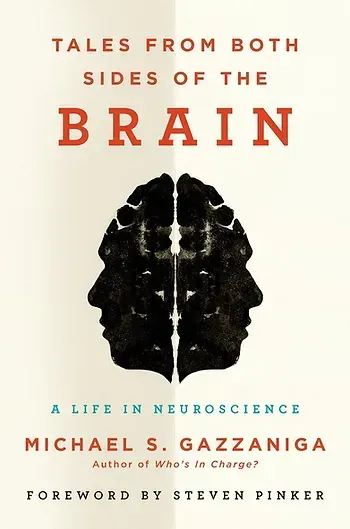
This work offers a fascinating journey into the life and career of Michael S. Gazzaniga, one of the world's most eminent neuroscientists, best known for his studies on the split brain. The book shares personal and professional anecdotes, tracing Gazzaniga's path to discovering how different parts of the brain communicate with each other and how this influences our behavior and our perception of the world.
For marketing enthusiasts, "Tales from Both Sides of the Brain" is particularly valuable. The book not only provides a deep understanding of how the brain works but also explains how this knowledge can be applied to influence decisions and behavior.
Overall, this is the most accessible and distinctive book on our list. Practically a must-read.
3/ The Brain from Inside Out, Gyorgy Buzsaki
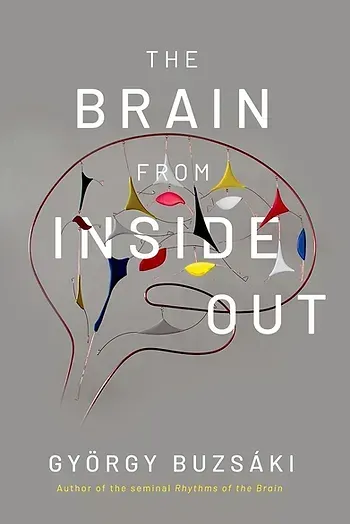
"The Brain from Inside Out," written by the renowned neuroscientist Gyorgy Buzsaki, turns the traditional approach to neuroscience on its head, proposing to examine the brain starting from its internal functions rather than relying solely on the interpretation of external responses. Buzsaki explores how the brain creates its own structures and interpretive rules for interacting with the world, rather than being merely a passive organ that responds to external stimuli.
For those passionate about consumer psychology and human behavior, this book is particularly relevant:
- Deep Understanding of the Brain: It offers a detailed view of the brain's internal mechanisms, helping to understand how these structures influence behavior and decision-making.
- Neuroscientific Basis of Behavior: It provides a scientific analysis of how the mind processes information and how this influences human behavior, including consumer decisions.
- Innovation in Neuroscientific Thinking: It introduces new models of thinking in neuroscience, which can inspire innovative approaches to understanding consumer behavior.
- Implications for Marketing and Communications: Insights into how the brain interprets and reacts to the world can be applied to develop more effective marketing strategies that are in tune with the natural workings of the human brain.
4/ Behave: The bestselling exploration of why humans behave as they do, Robert M Sapolsky
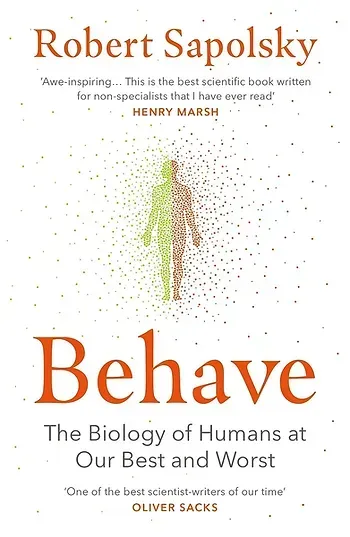
In "Behave," Robert M. Sapolsky, one of the most respected neurobiologists and primatologists, delivers a detailed, multidisciplinary analysis of human behavior. The book delves into the complex interactions between biology, environment, genetics, neuroscience, and psychology to explain why humans act the way they do, for better and for worse. Sapolsky explores a wide range of topics, from aggression to compassion, from xenophobia to altruism, using real-world case studies and scientific research.
For those seeking to understand human behavior, "Behave" is particularly valuable. The book offers:
- Neurobiology Insights: It explains how the brain and its various systems influence our behavior, from immediate reactions to long-term consequences.
- Implications of Genetics and Evolution: It analyzes how our genes and our evolution shape behavioral patterns.
- The Effect of Environment and Culture: It examines how environment, culture, and upbringing mold human behavior.
- Understanding Emotions and Decisions: It provides insights into the role of emotions and higher cognitive functions in our everyday decisions.
- Implications for Society and Politics: It explores how an understanding of human behavior can be applied in broader contexts, such as social policy and justice.
Naturally, all these different perspectives become essential when we need to think in terms of effective communication within our business strategies, from the very foundation. For example, they allow us to better understand which areas to focus on, why, and how they might evolve in the future based on how humans function.
5/ How to Change your Mind, Michael Pollan

We saved this one for last because it is our favorite!
The book "How to Change Your Mind: The New Science of Psychedelics" by Michael Pollan offers a revolutionary perspective on the therapeutic potential and benefits of psychedelics. Here is a brief synopsis:
Michael Pollan immerses himself in the fascinating world of psychedelics, exploring their history, their effects, and the renewed scientific interest in them. The book is a journey that begins with the history of substances like LSD and psilocybin, passes through their decline due to legal and political controversies, and arrives at the recent resurgence of their study in the context of modern science and medicine.
The book is remarkable on its own merits, but it also has a great deal of practical value for us.
For marketing and neuromarketing enthusiasts, this book offers unexpected and valuable insights. Pollan not only explores the therapeutic use of psychedelics in treating conditions such as depression, anxiety, and addiction, but also delves into how they can influence perception, awareness, and creativity. The aspects relevant to marketing include:
- Understanding the Human Psyche: The discussion of altered states of consciousness can help marketing professionals better understand human psychology and the way we perceive the world.
- Creativity and Innovation: The book explores how psychedelics can unlock new levels of creativity -- a fundamental aspect for anyone working in marketing and advertising.
- Empathy and Customer Experience: The ability of psychedelics to enhance empathy and openness could offer insights into creating deeper, more meaningful consumer experiences.
- Mindset and Change: Pollan examines how these compounds can alter thought structures and open the mind to new perspectives -- a concept useful for developing innovative, outside-the-box marketing strategies.
In summary, "How to Change Your Mind" is not just a comprehensive guide to the world of psychedelics, but also a source of inspiration for those seeking to explore new frontiers in understanding the human mind, with potential applications in marketing and neuromarketing as well.
New Frontiers
On that note, we ask: what do you think? Are you ready for journeys well beyond stereotypes and outdated ideas about the brain and neuroscience? To open your own mind as professionals or enthusiasts?
We at Deep Marketing are here for you -- to discuss, exchange ideas, and create new concepts together.