
If you stumbled here searching "how to get rich with reselling" after yet another video of someone flaunting a rented Ferrari, hold on: this is NOT the usual cover-worthy promise. But hey, you might be in the right place to clear the fog and finally discover how tough (yet fascinating) the world of real resellers truly is. Forget shortcuts: we're talking about a real business, full of challenges, rewards, and missteps. At Deep Marketing, we leave pipe dreams to the charlatans: here we chew on data, real-world experience, and strategies that actually make a difference. The reselling industry, especially in fashion and luxury, is a jungle filled with real lions and sharks. And no, they're not waiting with a "Welcome!" t-shirt...
But listen up: the party is just getting started. The secondhand market has gone absolutely wild. According to ThredUp's 13th Annual Resale Report, we're looking at a global value skyrocketing to $367 billion by 2029. Need we say more? It takes more than the usual motivational speakers with borrowed Rolexes: you need brains, method, and — trust us — the willingness to put in the work is non-negotiable. Spoiler: this business is built with sweat, not magic wands.
Who am I to tell you all this? Well, I'm someone who has seen loads of traps (and sometimes fallen right into them!). If you already feel lost halfway through, that's a great sign: it means you've grasped the true scope of the challenge. Now, let's walk through all the steps together — from myths to practical tips — to navigate (without sinking) the wonderful, and complicated, sea of reselling. And if at the end it all seems like too much... relax: that's perfectly normal, and that's exactly why agencies like ours exist. Spoiler #2: you're not alone.
Reselling: What It Is, What It Isn't, and Why It's Not for Shortcut Seekers
Let's be clear: reselling means spotting value
At its core, reselling means buying stuff and selling it for more, period. But what's different in 2025? It's all about digital platforms, a global audience, and finding the right niche (and we mean truly right!). The reseller? A real talent scout for value: they spot the deal, figure out if there's meat on the bone, and wink at the audience willing to pay a premium. Why would someone pay that premium? Simple: for at least four reasons that are never obvious:
- Scarcity: The Holy Grail. From impossible-to-find vintage to one-shot sneakers. Can you think of any? Exactly, those!
- Accessibility: Maybe something is hard to get in your city. And you bring it right to their doorstep, like magic.
- Curation: Add your personal touch: taste, experience, an eye for the right piece. That way, your storefront becomes a destination for a tribe (one that doesn't just criticize you on Instagram...).
- Authentication and Guarantee: Especially in luxury, nobody wants to get scammed. An extra check is worth its weight in gold.
So, no: it's not "buy-and-flip in a flash." It's a bit like being the curator of an art gallery: you need to understand the field, study what people like, and know how to sell even a simple T-shirt as if it were the Mona Lisa (conscious reference!).
The usual misconceptions: reselling doesn't mean printing money while you sleep!
The blame here falls entirely on the snake oil sellers. You know the type who (online, of course) promise thousands of euros reselling t-shirts with an inverted logo? Yeah, that's an illusion, often a harmful one. At best, you make a bit of extra cash; building a real company is a whole different story.
What you should NOT expect from proper reselling:
- It's not automatic, far from it: you need to scratch your head, manage stock, marketing, clients, shipping. Those who do it part-time as a hobby? They give up by the second round...
- It's not risk-free. You spend today and might sell six months from now! And there's always a counterfeit or vintage scam lurking around the corner.
- Margins? Dreaming is fine, but many products sell at near cost. The trick lies in uncovering the real gems, as the luxury vintage market teaches us: sky-high competition, razor-thin margins... and the winner is whoever manages everything without missing a beat.
- You need genuine passion, a willingness to study, and something close to an obsession with your niche. A collector is worth 10 times an improviser with no heart.
Don't want to get burned? Watch out for infomercial-level enthusiasm, or you risk joining the long list of people who give up after 3 months and blame karma (instead of having read this guide!).

A Super Practical Manual for Building YOUR Reselling Business
Ok, enough talk: let's get to action. Here are the 7 steps that separate the "casual seller" from a true second-hand entrepreneur. I've tried them all, and it didn't always go well... but at least the scars were worth it.
Step 1: Find YOUR niche. (No, "clothing" doesn't count!)
You can't sell everything. "Clothing"? Too vague. "Sneakers"? Getting warmer. "Nike Air Jordan 1 from the '90s"? Now you're playing for real. The more focused your choice, the fewer competitors you'll have and the more you'll become the go-to reference for your audience. Where to start?
- Passion and know-how: If I were you, I'd focus on what you truly know and love. For instance, did you know that watch collectors are absolute pros at spotting fakes?
- Real demand: Cross-reference your passion with what people are actually searching for. Google Trends and eBay are your new best friends.
- Margins and volume: Some niches offer great margins but low sales, others are the opposite. Run your numbers with a calculator, trust me.
- Think big! Choose something with growth potential, not just the trend of the moment. Ever heard of "dopamine dressing"? Wild colors, big smiles, and maybe an extra sale thrown in.
Step 2: Sourcing, aka the treasure hunt
Sourcing is where profits are born — and yes, for me it's often the most fun (and stressful!) part. The right find only comes to those who look in the wrong place at the right time.
-
Online: eBay, Vinted, Depop, local marketplaces: you'll find everything, if you know where to look... and can handle the occasional rip-off. Watch out for inexperienced sellers!
- Facebook groups: the real surprise deals are found there.
- Online auctions. Or dive into Japanese marketplaces if you want the finest vintage denim in the realm.
-
Offline: Early-morning flea markets or charity shops: the early bird wins here. And if you know an old collector... well, get them to call you when they clear out the basement!
- Liquidation auctions: tough stuff, but big deals are made there.
- Facebook groups: the real surprise deals are found there.
- Online auctions. Or dive into Japanese marketplaces if you want the finest vintage denim in the realm.
- Liquidation auctions: tough stuff, but big deals are made there.
Veteran tip: Become the go-to person in your circle: the best deals come when people call you before they even think of Vinted!
Step 3: Authentication and valuation. This is where the stakes are high!
Luxury, watches, high-fashion? Getting it wrong here is not an option. One single "scam" and your reputation is toast. Want to sleep soundly at night? Here are my secrets.
Also pay close attention to condition assessment: if there's a small stain on the back, say so! A bad review burns more than a discount on the sale.
Step 4: Pricing — the art of not aiming too high or selling yourself short
Oh, this is a make-or-break moment. Price too high: nothing moves. Too low: endless regret. Let's approach it methodically:
- Start from what you spent, and don't forget shipping costs, taxes, and your own time.
- Look at the competition, but filter only on "sold items," not other people's unsold wishful thinking.
- Rare items = strong prices, but don't overdo it... the opportunity only lasts as long as someone dreams of it.
- Condition matters, new is worth more, slightly damaged sells for less. Be honest, always.
- Your name starts to matter! A solid brand, people who trust you? Then you can afford to charge a bit more.
Better to start high and come down than the other way around. Trust me, raising prices mid-stream is a bloodbath!
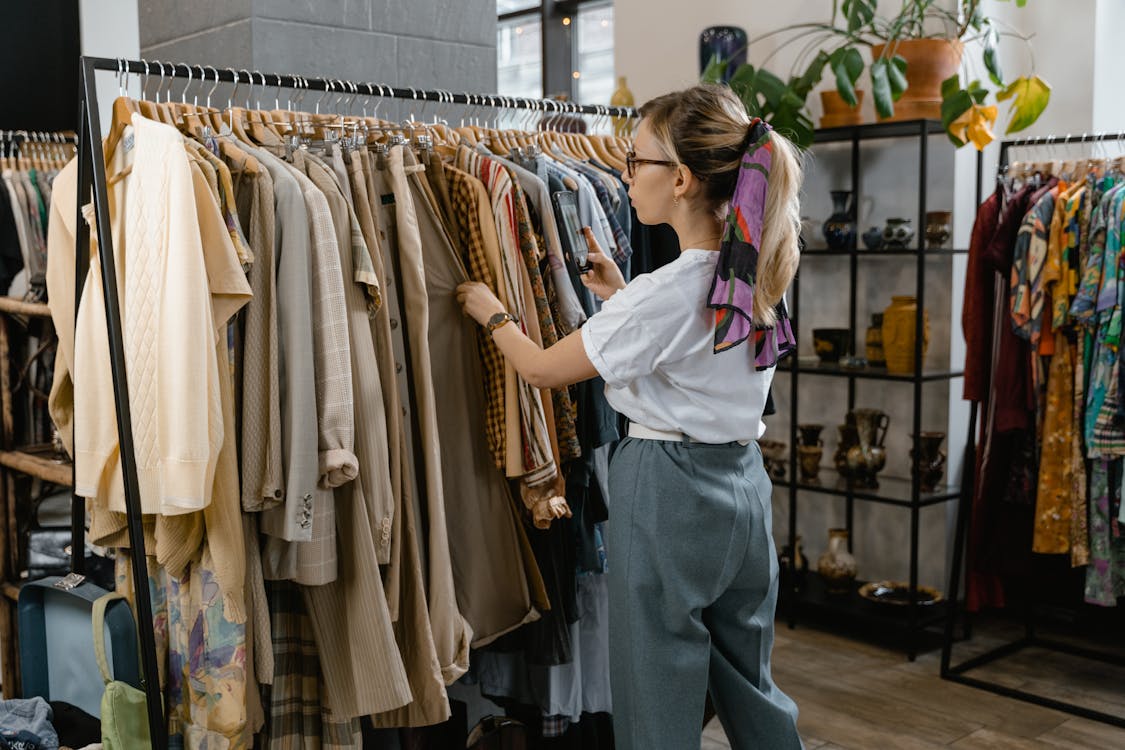
Step 5: TOP-notch presentation. Because people buy with their eyes
Trust me: even the most amazing product risks sitting unsold if presented poorly. You need a touch of... showmanship!
- Killer photos: Only use natural light and neutral backgrounds. Highlight the details, show labels, stains, defects. And if you can, snap a selfie wearing the item!
- A description that tells a story: "Black bag" doesn't cut it. Think of yourself as selling a dream: include measurements, materials, the backstory if you know it. And throw in some smart keywords: anyone searching "Y2K vintage leather" should find you right away!
-
Choose the right platform: It depends on your niche.
- Vestiaire Collective, The RealReal: Perfect for luxury, but the commissions are steep!
- Grailed: The temple of men's high-level streetwear.
- Depop: '90s vintage, young clientele hungry for novelty.
- eBay: You'll find everything here... and the competition never sleeps.
- Your own website: When you want full control. But you need budget and expertise, otherwise you'll just be staring at an empty site.
- Vestiaire Collective, The RealReal: Perfect for luxury, but the commissions are steep!
- Grailed: The temple of men's high-level streetwear.
- Depop: '90s vintage, young clientele hungry for novelty.
- eBay: You'll find everything here... and the competition never sleeps.
- Your own website: When you want full control. But you need budget and expertise, otherwise you'll just be staring at an empty site.
Step 6: Shipping and customers — this is where you go beyond the sale
The game doesn't end at order confirmation. A satisfied customer becomes a fan... if you let them! Small touches make a big difference.
- Lightning-fast, risk-free shipping: I always ship within two days, and tracking is sacred.
- An unboxing that surprises: Want to leave a mark? A handwritten note, some colorful tissue paper, maybe a small freebie. Wow effect, minimal cost!
- Open communication: Reply quickly and patiently. A clear return policy saves you from unnecessary headaches.
Step 7: From simple seller to a real brand
The brand is YOU: people don't just buy the merchandise, they buy the whole "package." And here's the beauty — you can truly make a difference with small touches.
- Social Media: Yes, Instagram and TikTok are worth more than a thousand euros invested. Don't just post product photos: share tips, show behind the scenes, share your world... watch the followers grow!
- Smart content: A blog? YouTube? Why not: tell stories, teach, let your voice shine through. Trust me, people reward those who put their face and creativity out there.
- Newsletter: Build a mailing list to stay top of mind (and in the inbox) of your best customers.
- Personal branding: Put yourself out there! People build relationships with people, not with anonymous logos.
Watch Out for the Traps: The Dark Side of Reselling
Reselling isn't all hearts and glitter: there are always pitfalls on the horizon. For instance, according to Loughborough University, behind "circular fashion" there are often hidden marketing tricks. So keep your guard up, eyes wide open, and don't be afraid to look at the other side of the coin.
Here's where (almost) everyone stumbles:
- Overpriced courses and "insider" clubs: How many have you seen? They promise secret access that, in reality, is just tricks to sell you yet another copy-paste lesson. The real tips are free... or they come after a few burns!
- Too much competition: When everyone jumps on a trending product, brace yourself for a price war. Better to go with an evergreen or know how to "sense" the next trend.
- Bureaucracy and taxes: This is no joke: VAT, invoices, receipts... ALWAYS consult an expert: fines arrive faster than express shipping.
- The work that consumes you: "I'll do everything myself!" lasts maybe three months. Automate, delegate, set limits: your mental health is your true capital.
And If You Think of Reselling as a Lottery... Let's Just Forget It!
Let's clear the air right away: reselling can be incredibly rewarding, but only for those willing to build on it — testing, failing, and trying again. If you were hoping for easy money — spoiler! — this isn't the place. You need method, practice, and the ability to treat every customer like a special guest. The challenges? From sourcing stock to not losing your mind with customers who change their minds every five minutes... as also discussed in many analyses of the sector's risks.
But the good news is real and it's not just marketing: skill pays off, big time! If you manage to position yourself as a reference point — and you do it genuinely — you'll see people who remember you, follow you, and maybe tell their friends about you.
FAQ — Reselling Without Filters: Answers for Those Who Mean Business
1. Do I absolutely need to register a business?
Yes, you do. If you're doing this regularly and not just "trying it out," you need proper business registration, Chamber of Commerce enrollment, and at least one call to an accountant. The legend of the hobbyist who gets rich without paying taxes... let's leave that to the forums. (Usually you start as a sole proprietor, but every case should be reviewed with a professional).
2. How much money do I need to start?
There's no magic answer. In vintage, you can start with very little, while if you want to go after high-end watches, we're talking figures with at least four digits. Better to start small, reinvest, make mistakes with your own money — without having to explain to the bank why you're broke!
3. Where are the real deals right now?
It depends on your taste, but the beauty is that demand keeps changing. Currently hot:
- Everything Y2K and '90s: Gen Z is genuinely crazy about it.
- Limited edition and collectible sneakers: classic Jordans or Dunks are always in demand.
- Evergreen luxury bags: Chanel, Hermes and company — if you have the capital, low risk, big smiles.
- Vintage technical and outdoor gear: The North Face, Patagonia, Arc'teryx... sold out in a flash!
4. What if the customer wants to return (or complains)?
Set the rules right away: returns yes/no, timeframes, reasons. Always listen to what went wrong and seek a compromise (sometimes a discount or a coupon is all it takes to turn anyone's mood around!). Remember: your online reputation is worth far more than a returned product.
5. Should I start on eBay or have my own website right away?
Do both. Start on marketplaces so you can test demand and learn quickly. Then, when you start gaining traction, open your own online shop: more freedom, fewer commissions, branding that makes a real difference. Social media drives traffic, the website retains it. The marketplace? Your training ground. The website? Your real home!