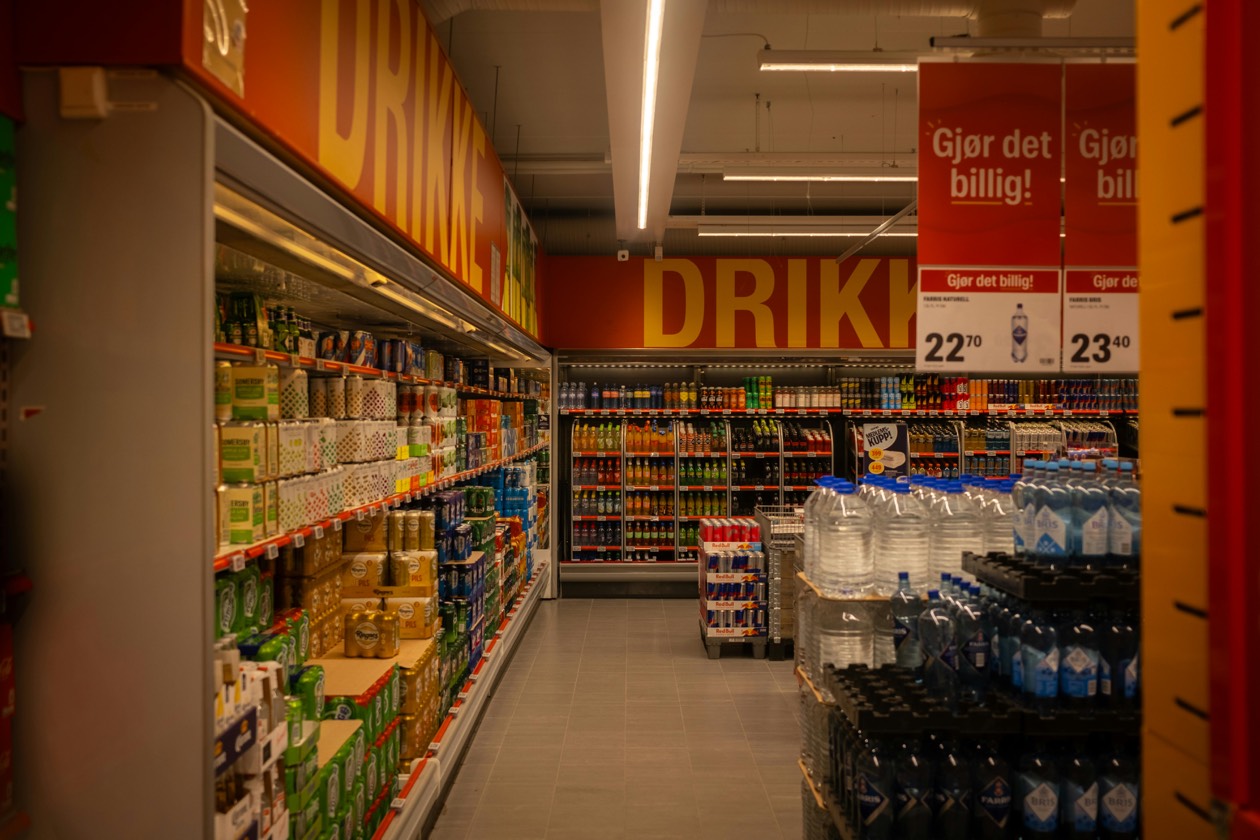
In short: Retail media is advertising sold by retailers within their own digital and physical ecosystems. In 2026 it is the third largest global advertising channel after search and social, with estimated spend exceeding $200 billion and double-digit growth driven by Amazon, Walmart, Instacart and Criteo. Italy is structurally lagging behind, and for first movers this is an advantage.
- Global market 2026: eMarketer estimates retail media spend above $200 billion, roughly 15% of worldwide digital ad spend (eMarketer Retail Media Forecast)
- Amazon Ads: Amazon reports in its 2024 10-K advertising revenue of $56.2 billion (+20% YoY), with further acceleration in Q4 2024 (Amazon Q4 2024 earnings)
- Walmart Connect: Walmart closed FY2025 with global advertising revenue growing 27% year over year, driven by Connect USA and Vizio (Walmart FY25 earnings)
- Italy lagging: WARC highlights that Southern Europe suffers from grocery retail fragmentation and low e-commerce maturity compared with the US and UK (WARC Global Ad Spend Outlook)
Retail media is the most underrated advertising phenomenon in Italian marketing. In 2026 it is worth more than global TV, grows at twice the speed of the rest of digital and offers something no other channel can still guarantee: deterministic attribution. This guide explains what it is, why it exploded, who dominates and how to get started, citing only verifiable public sources.

What retail media is
Retail media is advertising sold by retailers within their own digital assets (websites, apps, marketplaces) and physical assets (in-store screens, digital signage) leveraging first-party purchase data. The IAB's shared definition centers on three elements: retailer-owned inventory, proprietary transactional data, closed-loop sale-exposure measurement (IAB Retail Media Buyer's Guide).
In practice it includes five main formats:
- Sponsored Products — ads in the retailer's search results (the dominant format in revenue, according to eMarketer)
- Sponsored Brands / Display on-site — banners and premium placements
- Off-site media — the retailer activates its own DSP on first-party audiences for campaigns on third-party sites
- CTV / video — streaming ads sold by the retailer (e.g. Walmart + Vizio, Amazon Prime Video Ads)
- In-store digital — personalized screens and couponing in physical stores
The substantial difference from traditional advertising is the transactional context: the ad appears to a user who is already buying, not to a user in discovery mode. This radically shifts the relationship between impression and conversion.
Why retail media exploded 2024-2026
The growth of retail media over 2024-2026 is explained by a combination of structural factors documented in multiple reports.
1. Death of third-party cookies and deprecation of cross-app tracking. With Google continuing the deprecation of third-party cookies in Chrome and iOS ATT having decimated mobile attribution, retailers' first-party data has become among the most valuable in the digital ecosystem (IAB State of Data 2025).
2. Very high margins for retailers. Advertising margins are structurally higher than those of traditional retail. Amazon generates from Amazon Ads an increasingly significant share of its operating profit, to the point that in FY2024 advertising revenue reached $56.2 billion globally (Amazon Q4 and full year 2024). Every retailer with digital scale is replicating the model.
3. Closed-loop attribution. The retailer is the only actor that sees impression, click and purchase within the same ecosystem. In an era where measuring incrementality on Meta or YouTube requires MMM and geo-tests, retail media natively offers deterministic metrics (WARC Retail Media Outlook).
4. Entry of non-retail "commerce media". Uber, DoorDash, Instacart, airlines and delivery platforms have launched or strengthened their ad networks. The concept of retail media is extending to any actor with first-party transactional data.
Top platforms (Amazon, Walmart, Criteo, Instacart)
The 2026 retail media market is dominated by a few global players and an ecosystem of specialized RMNs (Retail Media Networks). The data in the table is taken from companies' public reports or investor materials.
Amazon remains the benchmark for any brand active in global e-commerce: the self-service platform is mature, traffic is huge and public documentation is extensive. Walmart Connect is decisive for brands with grocery distribution in the United States, where the online-offline combination with over 255 million weekly customers (data from Walmart Corporate Facts) allows end-to-end tracking. Criteo, on the other hand, runs the retail media infrastructure of many major European retailers such as Carrefour, Tesco and others.
In Europe, Carrefour Links, Tesco Media & Insight Platform (in partnership with dunnhumby) and Amazon Ads Europe cover the dominant share of the market. In Italy, Esselunga has launched digital retail media pilots but we are far from UK/USA maturity (WARC Retail Media Outlook).
Retail media vs programmatic: the difference
The most frequent question is: how does retail media differ from traditional programmatic display? The answer is not "in the channel", but in the data and measurement.
Classic programmatic distributes ads on third-party inventory (independent publishers) using audiences built via cookies, device IDs or probabilistic matching. Retail media uses retailer inventory and first-party transactional audiences. Three practical differences that matter:
- Data quality: in retail media the audience is built on real purchases recorded at the receipt or on loyalty cards, not on inferred behaviors. Precision is incomparable for consumption categories.
- Attribution: retail media offers deterministic closed-loop attribution (exposure and purchase happen on the same platform). Programmatic relies on probabilistic models or external panels.
- Context: retail media serves the ad to the user in purchase mode; programmatic serves it in navigation/discovery mode. The intent is structurally different.
Retail media does not replace programmatic, it complements it. Programmatic remains superior for large-scale branding, premium video formats, cross-publisher reach. Retail media dominates the conversion phase within commerce ecosystems. The 2026 strategy integrates the two channels in a coherent media mix.
How to launch a retail media campaign
For an Italian brand starting from scratch, the concrete steps are five.
1. Audit the retail presence. Before media, fix the "retail content": high-resolution product images, complete descriptions, A+ content, managed reviews. Retail media amplifies existing product pages; investing in poor pages amplifies a weakness. Amazon provides explicit guidelines (Seller Central guidelines).
2. Start with Amazon Ads. The most mature and accessible platform, with full self-service and extensive public documentation. Start with Sponsored Products on brand and competitor keywords, expand to Sponsored Brands and Sponsored Display later. Suggested test budget: 3-5 thousand euros per month for at least 90 days (Amazon Ads best practices).
3. Negotiate co-op programs with European retailers. Carrefour, Tesco, Esselunga and others offer digital visibility packages integrated with trade marketing. Often these budgets are managed by the sales department without digital involvement: bringing marketing to the commercial table is the first step to unlock retail media in Italy.
4. Build a measurement framework. The key metrics of retail media are ROAS, ACoS (Advertising Cost of Sale), Share of Voice, New-to-Brand percentage and incrementality. Do not use the same metrics as Google Ads or Meta Ads: retail media requires dedicated KPIs.
5. Scale to other RMNs. Once the model is validated on Amazon, replicate it where relevant for the category: Instacart for grocery, Walmart Connect for the USA, Criteo-powered networks for Europe. Each RMN has bidding and format peculiarities: adapt, do not replicate.
Need help with retail media and Amazon Ads?
Deep Marketing supports brands in the activation and scaling of retail media campaigns, with a focus on Amazon Ads and co-op programs with European retailers. If you want to explore this channel with a team that knows it, request a free consultation or discover our digital advertising services.
Frequently Asked Questions
What is retail media?
Retail media is advertising sold by retailers within their own digital and physical assets using first-party purchase data. It includes Sponsored Products in search results, on-site banners, off-site campaigns via the retailer's DSP, CTV and in-store digital signage. The IAB definition identifies three key elements: retailer-owned inventory, proprietary transactional data and closed-loop measurement.
Why is retail media growing so fast?
Growth is driven by four factors: deprecation of third-party cookies that enhances the value of first-party data, very high margins for retailers (Amazon recorded $56.2B in advertising revenue in 2024), deterministic closed-loop attribution that other channels cannot offer, and the entry of "commerce media" players such as Uber and DoorDash. eMarketer estimates the global market above $200 billion in 2026.
What is the difference between retail media and programmatic?
Retail media uses retailer inventory and first-party transactional audiences; classic programmatic uses third-party publisher inventory and audiences built via cookies or device IDs. Retail media offers deterministic attribution and purchase context; programmatic offers broader reach and branding formats. They are complementary: programmatic serves awareness, retail media serves conversion.
How to get started with Amazon Ads in 2026?
The recommended path is: first optimize product pages (images, A+ content, descriptions, reviews), then launch Sponsored Products on brand and competitor keywords with a test budget of 3-5 thousand euros per month, monitor ACoS and ROAS for at least 90 days, expand to Sponsored Brands and Sponsored Display only after validating the profitability of the first phase. Amazon Ads' self-service documentation is public and free.
Does retail media work for Italian SMEs?
Yes, especially for SMEs with a presence on marketplaces (Amazon) or in the assortment of structured retailers. The minimum ticket is accessible: Amazon Ads activates with monthly budgets of a few hundred euros, and for SMEs competition on niche keywords is often lower than on Google Ads or Meta Ads. The main limit for Italy is structural: the fragmentation of national grocery retail and low e-commerce maturity reduce on-site inventory available compared with the UK and USA.
Sources and References
- eMarketer — Worldwide Retail Media Advertising Forecast
- WARC — Global Ad Spend Outlook & Retail Media
- Amazon — Q4 and Full Year 2024 Earnings
- Walmart — Q4 and Full Year FY25 Earnings
- Criteo — FY2024 Investor Release
- Instacart — Q4 and Full Year 2024 Results
- IAB — Retail Media Buyer's Guide
- IAB — State of Data 2025