
In short: 94% of B2B buyers use ChatGPT, Perplexity or Gemini to build their vendor shortlist before contacting a company (Forrester, 2026). B2B marketing that ignores LLM visibility is losing an average of 70% of the upstream funnel. The answer is called B2B GEO: citable content, proprietary data, verifiable topical authority.
- 94% of B2B buyers use LLMs during the purchase process (Forrester 2026)
- 68% of enterprise deals closed in 2025 had at least one generative search touchpoint (Gartner 2026)
- AI traffic is more qualified: the average visitor from ChatGPT, Perplexity and other LLMs converts 4.4× more than traditional organic traffic (Semrush AI Search Study 2025)
Why 94% of B2B buyers now ask ChatGPT before Google
According to Forrester B2B Predictions 2026, 94% of B2B decision-makers used at least one Large Language Model during their purchase process in 2025. This isn't about curiosity: it's about the functional replacement of the search engine as the starting point of vendor due diligence.
The typical query from an enterprise buyer in 2026 doesn't start with Google. It starts with prompts like «What are the best cloud ERP providers for European manufacturing companies with 200-500 employees?» aimed at ChatGPT, Perplexity or Copilot. The LLM's answer produces a shortlist. That shortlist is the new entry funnel.
Data from the 6sense B2B Buyer Experience Report (2026) confirms the pattern: the B2B buyer completes on average 70% of their decision journey before filling out the first form or replying to the first outreach. The «discovery + shortlisting» phase has migrated almost entirely inside the LLM interface.

The impact on B2B marketing is structural: a company not cited by LLMs is perceived as non-existent by 94% of buyers. No paid campaign and no SEO optimization recovers this absence downstream, because the moment of choice happens before the buyer sees the vendor's website.
How the B2B funnel changes in 2026: four redesigned stages
The traditional B2B funnel (Google awareness → whitepaper consideration → demo decision) has been replaced by an AI-assisted journey. Rebuilt from patterns observed by Gartner, the new funnel has four phases with different owners than before.
- Stage 1 — LLM conversation: the buyer asks an open question to ChatGPT/Perplexity. The AI produces a shortlist of 3-5 vendors with pros/cons. Owner: LLM-citable content.
- Stage 2 — Cross-source validation: the buyer verifies the shortlisted vendors on Google, LinkedIn, G2, TrustRadius, industry forums. Owner: authoritative multi-channel presence.
- Stage 3 — Proof gathering: specific case studies, ROI data, analyst reports, human referrals. Owner: verifiable proof assets.
- Stage 4 — Commercial interaction: demo, RFP, negotiation. Remains deeply human. Owner: sales enablement.
The critical point for CMOs: stages 1-2 carry 70% of the decision weight and are handled with almost no direct interaction with the vendor. Those covering only stage 4 with the sales force are fighting a war already lost upstream.
Which channels do B2B buyers actually use in 2026?
The table summarizes the mix of channels actually used by B2B decision-makers, combining Forrester 2026, 6sense Buyer Experience Report 2026 and TrustRadius B2B Buying Disconnect Report (2024 edition «The Year of the Brand Crisis») data.
The operational read is simple: Google remains important but has been demoted to a validation engine, while ChatGPT & peers are the new entry point. B2B content not cited by LLMs drops out of the funnel at the very first query.
What is B2B GEO and why it doesn't overlap with traditional SEO
Generative Engine Optimization (GEO) is the discipline that optimizes content to be cited as a source within LLM generative answers. It isn't SEO in disguise: LLM selection criteria differ from Google's.
The structural differences, documented in the paper GEO: Generative Engine Optimization (Aggarwal et al., 2024) and in the Ahrefs study on 17 million AI citations (2025):
- Verifiable topical authority: LLMs favor sources with a demonstrable track record on the topic, not those with the best anchor-text profile.
- Citable original data: percentages, proprietary benchmarks and transparent methodologies can boost visibility in generative answers by up to 40% (Aggarwal et al., 2024).
- Q&A structure: headings phrased as questions with a direct answer in the first two sentences is the pattern models prefer for extraction.
- Dated freshness: articles with recent
dateModifiedare preferred by Perplexity/Gemini because they access the web in real time. - Mention consistency: a brand cited by multiple independent sources (analysts, publications, communities) enters the model as a «reliable entity».
Anyone looking to structure an operational roadmap can start with our B2B SEO and GEO consulting, calibrated on a generative visibility audit and a citable content production plan. GEO doesn't replace SEO: it complements it to cover the 94% of the funnel that Google no longer intercepts.

How much LLM traffic from ChatGPT and Perplexity is really worth for B2B
The absolute volume of LLM referrals remains limited today: according to Similarweb (2026) data, generative-search traffic still accounts for less than 1% of an average B2B site's sessions, versus about 32% from Google organic. The «how much it weighs today» read, however, hides the decisive variable: session quality.
The Semrush — We Studied the Impact of AI Search on SEO Traffic (2025) study measured on a large sample that the average visitor from AI search is worth 4.4× a traditional organic search visitor in terms of conversion rate. The reason is behavioral: people arriving from ChatGPT or Perplexity have already completed stage 1 of the funnel (discovery + first comparison) and are actively validating a narrow shortlist.
The strategic lesson: B2B GEO ROI isn't measured in volume but in session intent. It's worth working for months to earn a few dozen qualified citations inside LLMs, rather than hundreds of generic backlinks that don't move the most important number — namely, presence inside the buyer's shortlist.
Six concrete actions to make B2B marketing AI-ready
Starting from Forrester, Gartner, 6sense and Semrush data, six operational actions with measurable impact within 6 months.
1. Generative visibility audit
A mandatory first step: knowing if, where and how LLMs cite your brand today. Tools like Profound, Otterly.ai or a structured manual tracking across 30-50 industry queries produce a baseline. Without a baseline, measurable improvement doesn't exist.
2. Citable content with proprietary data
LLMs cite data, not opinions. Every B2B company owns original data: anonymized customer benchmarks, average onboarding times, product usage patterns. Publishing them with a transparent methodology increases citation probability by an order of magnitude. A yearly industry report based on proprietary data outperforms 20 generic blog posts.
3. Q&A content structure
H2s phrased as real buyer questions («How do you calculate the TCO of a cloud ERP?»), a direct answer in 40-60 words in the opening lines, quantitative data with inline sources. The pattern makes content directly extractable by LLMs. Our B2B content & social consulting builds editorial plans on this logic.
4. Verifiable multi-source presence
A brand cited only by its own website doesn't become an authoritative entity for an LLM. You need independent mentions: analyst reports (Gartner, Forrester if budget allows; otherwise IDC, 451 Research), industry publications, niche podcasts, vertical communities. The opportunity cost of this visibility is lower than low-efficiency paid campaigns.
5. Authentic LinkedIn thought leadership
67% of B2B buyers also evaluate vendors through the LinkedIn profiles of founders and C-level executives. Content signed by real people, with argued positions and proprietary data, outperforms generic corporate posts in organic reach by 340% (LinkedIn B2B Institute, 2026). Three signed thought leadership posts a month beat 20 corporate communication posts.
6. Pipeline influence metrics beyond MQLs
MQL is a metric blind to the 70% of the funnel managed by LLMs. Replace it with: generative share of voice, tracked LLM citations, pipeline sourced vs. influenced, average close velocity. B2B companies that made this switch in 2025 report +28% accuracy in revenue forecasts (Demand Gen Report 2026).
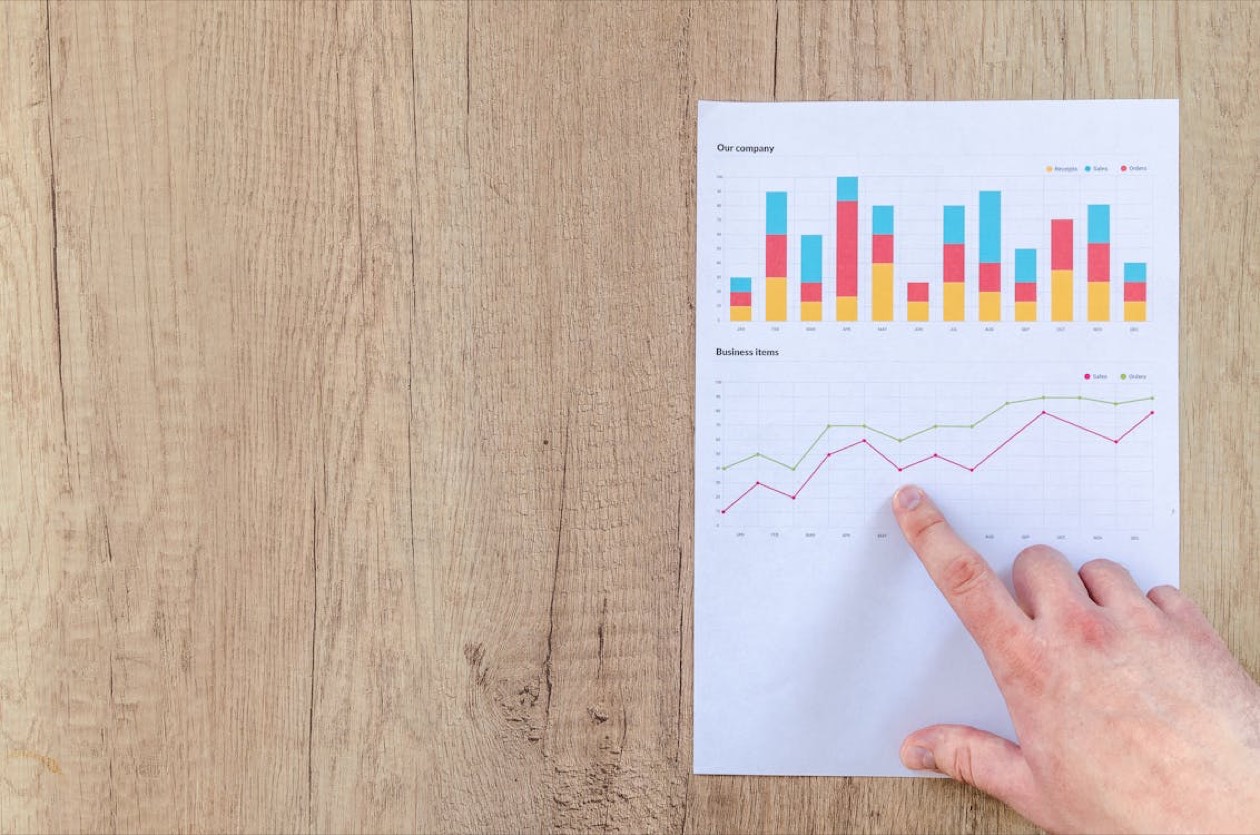
What works and what is over in B2B marketing 2026
Operational summary for the CMO who has to allocate budget over the next 12 months. The rule: shift 20-30% of the budget from declining activities to high-leverage GEO activities.
Zero-click B2B: why direct traffic won't return to 2022 levels
The zero-click phenomenon (answer consumed inside the LLM without clicking through to the source) is a structural reality in B2B. According to Similarweb's analysis on generative traffic (2025), a growing share of queries is resolved entirely inside the LLM interface, reducing click-through to vendor sites and compressing organic discovery traffic in enterprise software, consulting and industrial sectors.
The countermeasure isn't to recover those clicks (they won't return) but to reallocate value to the traffic that remains: shorter visits with higher intent. A user landing after already validating the brand inside ChatGPT converts 3-4 times more than a user in pure discovery. The right strategy: less optimization for volume, more optimization for session quality (time on page, scroll depth, mid-funnel conversions).
The main KPI stops being «organic sessions» and becomes «generative share of voice weighted by intent». For B2B brands it's a cultural shift before a technical one.

Frequently Asked Questions
Is traditional SEO dead for B2B?
No, but its role has changed. SEO remains important for the validation stage: the buyer verifies on Google the information obtained from the LLM. It's no longer the primary discovery channel. You need to evolve from traditional SEO to a GEO that optimizes content to be cited by LLMs too, while keeping solid SERP performance for brand validation queries.
How do you measure whether your B2B brand is cited by ChatGPT?
Tools like Profound, Otterly.ai and Peec AI automatically monitor LLM citations on predefined queries. The manual method uses a panel of 30-50 queries relevant to the industry, tested cyclically on ChatGPT, Claude, Perplexity and Gemini with tracking of brand and competitor mentions. The test should be repeated at least monthly: answers change with every model update.
How much B2B budget should shift from paid to thought leadership?
The top-performing B2B companies of 2025 reallocated on average 20-30% of the budget from paid advertising to thought leadership content, proprietary research and niche events. The Forrester 2026 figure (75% increase thought leadership budget) confirms the trend. It doesn't mean eliminating paid, but rebalancing the mix toward activities that build authority citable by LLMs and buyers.
Does B2B experiential marketing work for SMBs with limited budgets?
Yes, often with higher ROI than enterprises. An SMB can organize half-day workshops for 15-25 decision-makers in its sector at a cost lower than a monthly LinkedIn Ads campaign. The generated value is relational and long-term: B2B buyers remember memorable human contexts and carry them into the decision process even months later, dramatically lifting close rates.
How long does it take to see results from a B2B GEO strategy?
Timelines are longer than traditional SEO. For content accessible via browsing (Perplexity, ChatGPT with web search) results appear in 8-14 weeks. Inclusion in foundation-model training datasets takes 9-18 months. The fastest lever: getting cited by already authoritative sources (analysts, publications) that recent models query in real time during answer generation.
Is B2B cold outreach really over in 2026?
Non-personalized cold outreach has dropped below a 2% average response rate (HubSpot, Salesloft 2026). With AI making every cold email appear personalized, buyers filter more aggressively. Only very high-context outreach survives: deep pre-contact research, specific reference to a recent event at the prospect, tangible value in the first email. Scale no longer works.
Want to make your B2B marketing AI-ready in 2026?
Deep Marketing guides B2B brands through the transition to an AI-assisted funnel: generative visibility audits on the main LLMs, GEO editorial roadmaps with proprietary data, measurement of generative share of voice weighted by intent. Request a free B2B GEO audit or explore our B2B SEO and GEO consulting calibrated on enterprise pipeline goals.
Sources and References
- Forrester — B2B Predictions 2026
- Gartner — Top Strategic Technology Trends for 2026
- 6sense — B2B Buyer Experience Report 2026
- TrustRadius — 2024 B2B Buying Disconnect: The Year of the Brand Crisis
- Demand Gen Report — 2026 Outlook Report
- LinkedIn B2B Institute — Research 2026
- Aggarwal et al. — GEO: Generative Engine Optimization (arXiv, 2024)
- Ahrefs — AI Assistants Prefer to Cite Fresher Content (17M citations analyzed, 2025)
- Similarweb — What The Decline In Gen AI Traffic Really Tells Us (2025)
- Similarweb — Generative AI Statistics 2026
- Semrush — We Studied the Impact of AI Search on SEO Traffic (2025)
- G2 — 2025 Buyer Behavior Report (AI Always Included)