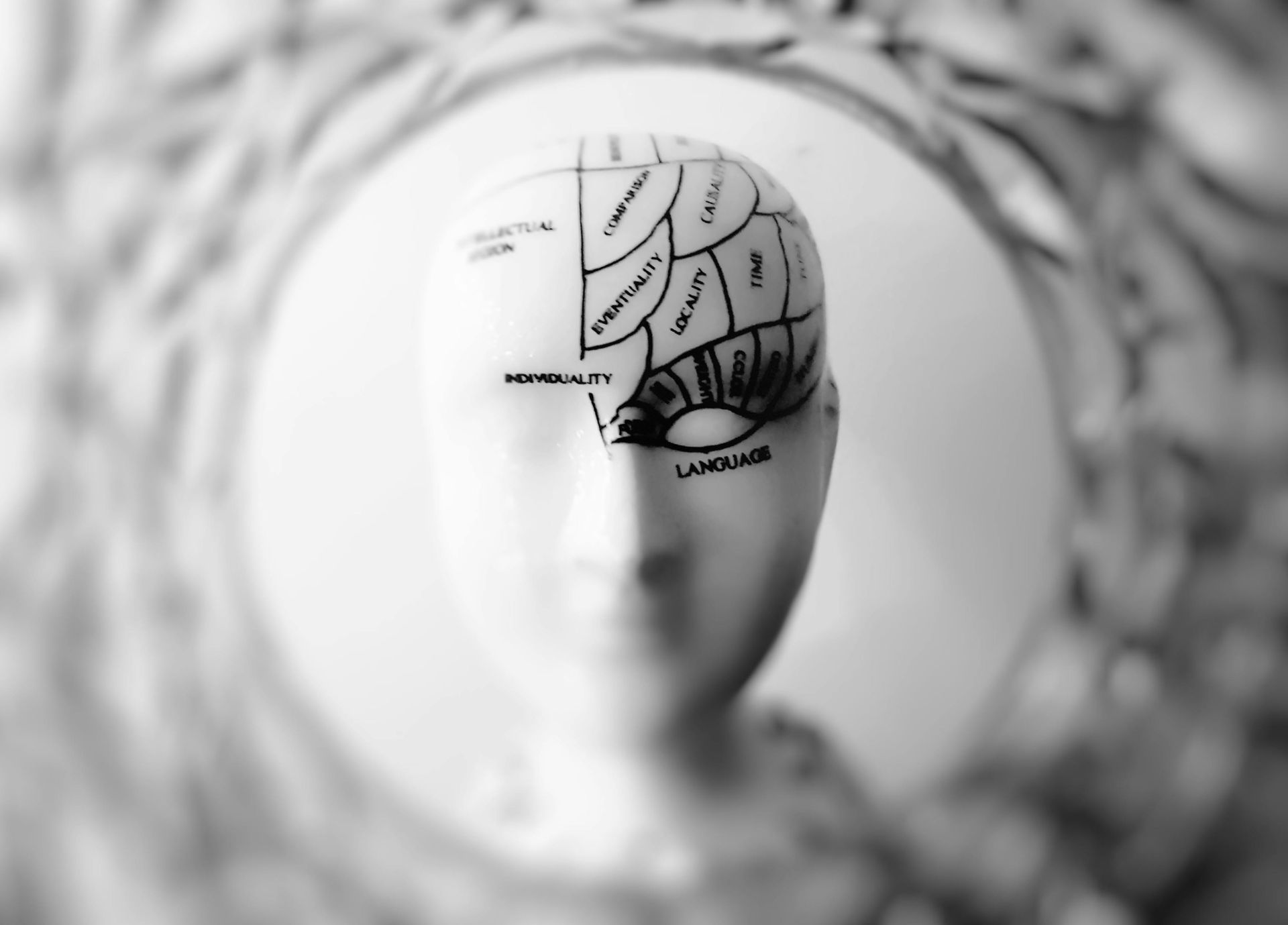
When we talk about the decision-making process, we refer to the journey through which consumers, exposed to various types of influence, decide to purchase one product over another.
During the analysis phase of a marketing plan, this is the first element to take into consideration. Without understanding how the consumer's mind works, any actions taken by the company would be in vain.
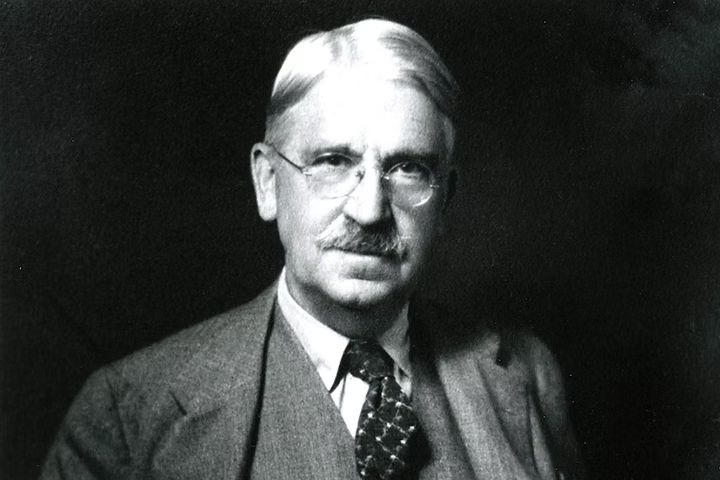
The most common model, which we will present here, was first proposed by John Dewey in 1910. Dewey was an American philosopher, psychologist, and educational reformer whose ideas influenced education and social reform.
Although this was not the first attempt to address the issue of consumer behavior, it was by far the most influential and has undergone a series of improvements over the years.
The stages are five:
- Need recognition: The consumer realizes they have an unmet need. This can happen directly or indirectly, through endogenous stimuli (I realize I don't have a winter jacket and go buy one) or exogenous stimuli (I see a jacket advertisement on TV and want to buy it).
- Search for alternatives: The consumer seeks to gather all the information needed to make a decision. The search takes place through various sources, such as social sources represented by communication with other people -- one of the most decisive factors. Then there are communication sources, such as advertising and promotions, or experience-based sources (when the buyer has the opportunity to test the product before purchasing it).
- Evaluation of alternatives: The consumer compares the different products available on the market to identify the one best suited to their needs. In this phase, the potential customer carefully analyzes the pros and cons of each possible alternative, including quantity, quality, price, brand, and distribution channels.
- Purchase decision: The consumer chooses the product to buy based on the evaluation criteria established previously. This represents the financial commitment to purchasing a specific product.
- Post-purchase impression: The consumer evaluates whether the purchased product met their expectations. In this context, there may be positive or negative feedback about the product. If the feedback is positive, an opportunity for customer loyalty arises.
Furthermore, it is important for a company to recognize and try to anticipate the various types of influences that affect the decision-making process. These can include:
- Social influences: These include culture, which affects an individual's needs and desires, as well as social classes, which influence attitudes and behaviors.
- Marketing influences: For consumers, the appearance, functionality, and price of the product, advertising, promotions, and how the product is distributed all play an important role (almost always indirectly).
- Situational influences: These are all the factors that have an effect on consumer behavior (for example, the socio-cultural environment or geographic location).
- Psychological influences: Here there are two relevant factors: Product Knowledge, which is the body of information about a product and possible alternatives, and Product Involvement, which is the consumer's perception of the importance and necessity of that good.